
Bhavik Agarwal focuses on real business outcomes over simple features to redefine the tech service industry.
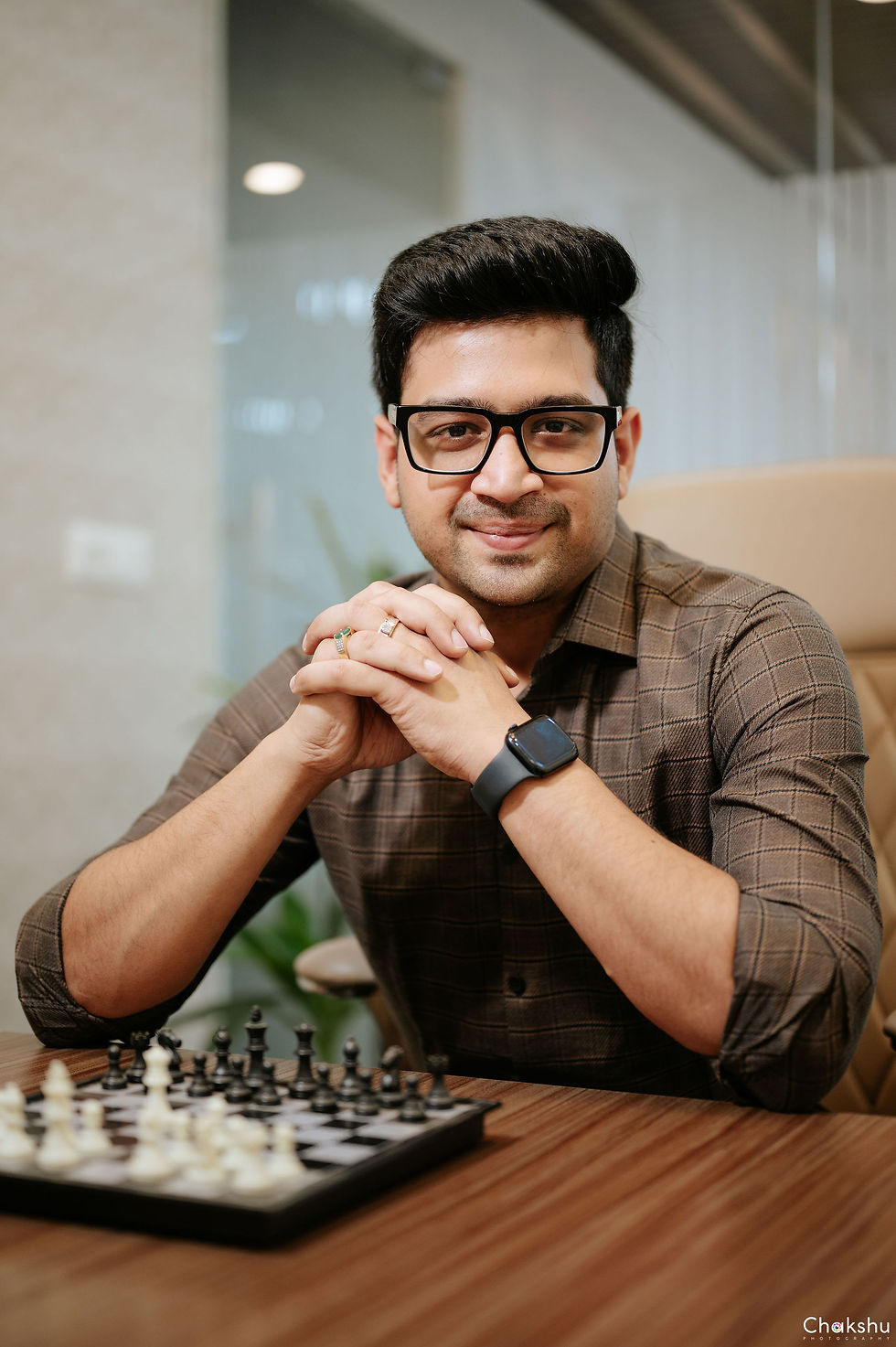
Bhavik Agarwal did not arrive at entrepreneurship through a single turning point. It came gradually, shaped by curiosity and a constant urge to question how things worked. From an early stage, he found himself thinking beyond the surface, whether it was systems, businesses, or even how people interacted within organizations. There was always this sense that things could be done differently, maybe even better. He came from a background where stability was valued, where the natural path was to secure a steady job and follow a defined route. He did step into that world for a while, but something felt slightly off. It was not about rejecting structure, it was about wanting to build something where results mattered more than hierarchy.
That thinking slowly took shape into Designoweb Technologies. The starting point came from a frustration he kept noticing in the technology service space. There was a clear gap between what clients actually needed and what they were getting. Most engagements revolved around scope, timelines, and billing cycles, rather than the real business outcome. Companies were looking for people who could think with them, not just execute instructions. At the same time, many development teams were focused on building features without fully understanding why they were building them. This disconnect became the foundation of his work. He wanted to create a company that focused on solving problems first, and then building technology around it.
Today, Designoweb works with startups and enterprises across different geographies, helping them build digital products, AI systems, and immersive experiences. The company works across areas like web platforms, mobile applications, augmented reality, and virtual reality. The core idea has stayed consistent. Technology is just a tool, the real work lies in understanding the business problem behind it. With initiatives like Reveal, the company has also started moving into immersive digital experiences, working on how brands connect with users in more interactive ways.

The early days were filled with uncertainty. Credibility was one of the biggest challenges. When you are starting out, people are not just evaluating your skills, they are deciding if they can trust you with their business. That trust takes time. There was also a lack of clarity in the beginning. Like many early stage founders, he found himself saying yes to almost everything. Over time, he realized that this diluted the identity of the company. Knowing what not to take on became just as important as taking on new work. Alongside this, there were everyday challenges like building a team, managing finances, and delivering consistently while still figuring things out internally.
A few decisions changed the direction of the company. One of the most important was shifting from a scope driven model to an outcome driven way of working. It changed how clients were engaged, how projects were handled, and how the company positioned itself in the market. Another shift came with building the right team. Moving from working individually to building a group that shared the same thinking allowed the business to grow in a more stable way. There were also moments that did not go as planned. Projects failed, partnerships did not last, and some decisions had to be reversed. Each of these moments added clarity.
Taking risks has been a consistent part of his journey. One major decision was stepping away from predictable service models and choosing a path that depended more on trust and delivery. It brought uncertainty, especially in terms of revenue, but it also created differentiation. Another bold move was investing time and resources into emerging technologies like AR and building internal platforms such as Reveal. These decisions did not bring immediate returns, but they were aimed at building something that could grow beyond services.
Getting the first few clients was not about brand or visibility. It was about conversations. Direct outreach, LinkedIn, and simple discussions played a key role. Instead of pitching services, he focused on understanding the client’s problem and offering real input. That built trust. The first projects became important not just for revenue but for reputation. Delivering beyond expectations was not a tactic, it was a mindset. Slowly, referrals started coming in, and that created momentum.
Inside the company, culture is shaped through behavior, not statements. Ownership, accountability, and clarity form the base. People are encouraged to think beyond their roles and understand how their work contributes to the bigger picture. There is a strong focus on outcomes rather than hours. As the team grows, maintaining this culture requires constant communication and alignment.
His view on leadership is grounded in clarity rather than control. Teams today do not respond well to rigid structures. What works better is giving direction while allowing people the freedom to think and act. When individuals understand why something matters, they take more ownership. Leadership, in his view, is about creating that environment.
Family and close relationships have played an important role throughout his journey. Their support provided stability during uncertain phases. At the same time, their values kept him grounded. Friends and mentors added perspective, especially during moments where decisions were not straightforward.
When he talks about success, it goes beyond numbers. Building a team that trusts each other, forming long term relationships with clients, and creating something that lasts carry more weight. There is also a sense of satisfaction in seeing people grow within the company and take on more responsibility.
Failures have been an important teacher. There were projects where expectations were not clear, leading to pressure on both sides. There were times when opportunities were taken up without proper alignment, which affected focus. Hiring mistakes also taught him how much one person can impact the entire team. Each of these experiences helped refine how the company operates today.
Looking ahead, his focus is shifting toward building platforms and products alongside services. There is a clear intent to create solutions that can scale and create long term value. The direction is becoming more focused, choosing depth over trying to do everything.
For someone starting out, his advice is simple. Focus on clarity before chasing speed. Understand what you are building and why. Build for outcomes, not just features. And stay adaptable, because the journey rarely follows a straight line. In the end, it comes down to building something you can truly stand behind.


Comments